Tencent Invests $150 Million in Mobile Gaming as Competition for Players Intensifies
GameSphare I 26-November-2026
Tencent mobile gaming investment is drawing attention after the Chinese technology group committed about $150 million over three years to develop the ecosystem around Battle of Golden Spatula, a China-exclusive mobile adaptation of Riot Games’ Teamfight Tactics. The commitment highlights how competition in mobile gaming increasingly depends on more than downloads: publishers are investing in esports, creators, communities and cross-platform access to keep players engaged.
The investment was announced at the game’s 2027 strategy conference in Xi’an on November 6 and was reported internationally on November 20. Tencent plans to direct the funding toward player culture, content creator support and esports development. The announcement comes as the game reports more than 240 million registered users and over 50 million monthly active users.
whitfieldbryson.com
A major investment in a China-focused mobile game
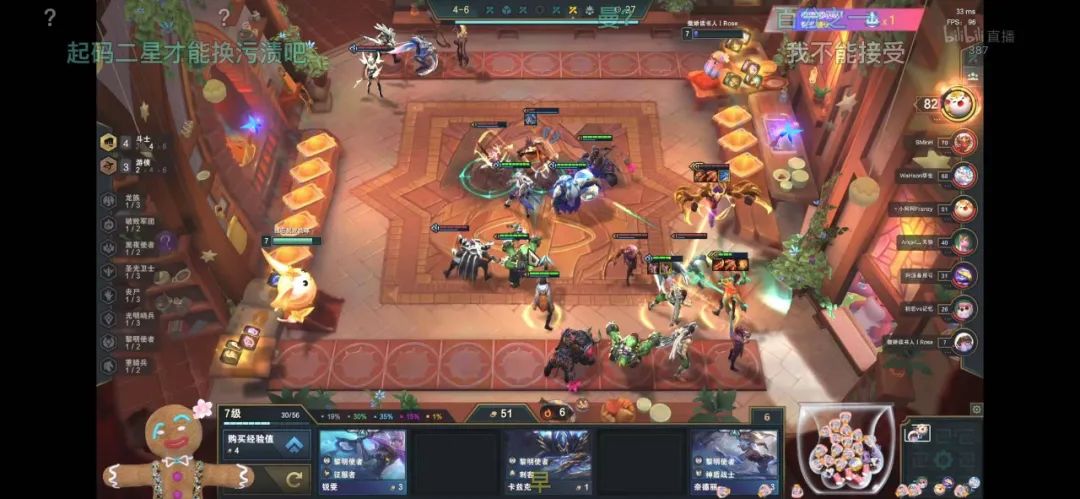
Battle of Golden Spatula is a mobile auto-battler based on the strategy format of Teamfight Tactics. Players assemble teams of characters, manage resources and compete against other players in rounds where positioning and decisions can determine the result. The title is designed for the Chinese market and operates within Tencent’s broader games portfolio.
The reported $150 million commitment is intended to support the game’s wider ecosystem over three years. It is not simply a cash prize for professional players, nor should it be confused with the separate prize pool planned for its 2027 championship. Tencent’s strategy includes the product itself, competitive events, creator activity and community programmes.
Tencent says the game has passed 240 million registered users and 50 million monthly active users. It also reported that more than 10 million players entered its tournaments in each of the previous two years. Those figures suggest that the game has developed a community that extends beyond people who play occasional matches.
Esports becomes part of the long-term business strategy
From 2027, the plan includes three national open tournaments and a new annual championship. The new championship is expected to have an ecosystem prize pool of RMB 10 million, approximately $1.5 million, while Tencent says total prize money across the game’s competitions will double compared with 2026.
The distinction between the two figures matters. The approximately $150 million is the multi-year ecosystem investment. The approximately $1.5 million is the announced prize pool for the annual championship. The latter is only one part of a broader competitive programme.
A stronger tournament calendar can give players reasons to return, create regular moments for livestreaming and provide creators with material for analysis, highlights and commentary. For publishers, esports can function as a marketing channel as well as a competition format. Events can keep a game visible between major content updates and help turn individual players into long-term community members.
Creators and campus tournaments widen the audience
Tencent’s plan also includes support for content creators and a new university esports initiative called Prism Academy. The company plans to expand in-person university events from 100 to 300, alongside tools and incentives intended to help campus competitions grow.
This approach reflects the increasingly connected nature of gaming communities. Players may discover a title through a streamer, learn strategies from short-form videos, join a campus tournament and then follow professional competitions. Supporting each part of that journey can increase the amount of time and attention a game receives.
For creators, a stable competitive calendar can provide a regular supply of stories and gameplay to cover. For universities, organized tournaments can create accessible entry points for students who want to compete without immediately entering professional leagues. Tencent is effectively investing in the network around the game, not only the software players download.
A planned PC version could extend the game beyond mobile
Tencent has also confirmed plans for a dedicated PC version to arrive with the game’s next season. The desktop edition is expected to support keyboard and mouse controls while sharing account data, matchmaking and friend lists with the mobile version. If delivered as described, cross-platform play could make it easier for friends to compete together even when they use different devices.
The move is significant because it may broaden the game’s reach without abandoning its mobile foundation. A PC edition can provide another way to watch and play, while shared accounts and matchmaking can help preserve community connections across platforms.
What the investment says about mobile gaming competition
The announcement illustrates a broader shift in the mobile games business. As app stores become crowded and players divide their attention across more titles, acquiring users is only one part of the challenge. Publishers also need to retain those users, refresh content, encourage social interaction and give communities reasons to stay active.
That strategy has financial implications. Esports production, creator partnerships, community events and ongoing game development require sustained spending. But they can also support recurring engagement and in-game purchases when players remain invested in a title. Tencent’s corporate reporting has described virtual items, season passes, esports and influencer partnerships as important parts of its games business model.
There are risks. High user totals do not automatically translate into long-term revenue, and tournament spending alone cannot guarantee player loyalty. The company will need to show that its expanded events and creator programmes generate meaningful engagement rather than short-lived attention.
A test of how far a mobile game ecosystem can grow
Tencent’s commitment gives Battle of Golden Spatula a significant runway to expand its competitive and community infrastructure. The next milestones will be the delivery of the 2027 tournament changes, the growth of Prism Academy and the launch of the planned PC edition.
For the wider industry, the move is another sign that mobile games are becoming durable entertainment platforms rather than products measured only by initial downloads. The strongest titles increasingly compete through a combination of gameplay, social connection, creator culture and organized competition. Tencent is betting that investing in all of those elements can help keep players involved for years.
Next Article
–Why Minecraft Continues to Dominate the Global Gaming Industry
–PlayStation vs Xbox: Who Is Better Prepared for the Future of Gaming?
–Wolfenstein 3 Is Officially in Development: Can It Revive the Legendary Shooter Series?