PlayStation vs Xbox: Who Is Better Prepared for the Future of Gaming?
GameSphare I 21-November-2026
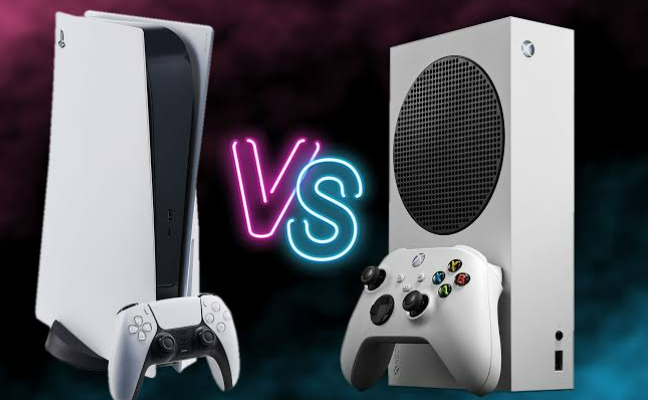
For years, the PlayStation-versus-Xbox debate was framed as a simple console battle: which machine had stronger hardware, better exclusive games, and the most compelling controller? In 2026, that question is no longer enough. The future of gaming is increasingly shaped by ecosystems, subscriptions, cloud access, cross-device play, developer support, and long-term hardware plans.
Sony and Microsoft are taking different approaches. PlayStation continues to build on a console-first identity, backed by major franchises, a large installed base, and investment in its next platform. Xbox is pushing toward a more open ecosystem connecting console, PC, cloud, and other screens, while preparing next-generation hardware under the Project Helix name.
So, which company is better prepared? It depends on what “future-ready” means. Sony looks well positioned for players who value premium console experiences and exclusive worlds. Microsoft has a compelling opportunity if gaming becomes more device-independent. Both strategies carry risks, and neither guarantees a clear win.

whitfieldbryson.com
PlayStation’s advantage: blockbuster games and a strong console identity
PlayStation’s biggest strength remains its relationship with players who buy a console for distinctive games and polished experiences. Sony’s first-party portfolio includes established franchises and studios known for cinematic single-player adventures. Those games give the brand a clear identity, even as more releases become available on additional platforms.
Sony’s public strategy also points beyond the current PS5 generation. In a 2026 business-segment discussion, the company said it was continuing to invest in the future PlayStation experience, including its next-generation platform. Sony described goals that include making the ecosystem more accessible, responding to changing player habits, and using AI to improve development efficiency, player experiences, content discovery, and creative tools.
The next console generation will not be judged only by graphical power. Players will expect fast loading, reliable online services, better accessibility, smoother social features, and a library that makes upgrading worthwhile. Sony’s challenge is to keep its premium console proposition attractive while managing development costs and making its services valuable between major releases.

Xbox’s advantage: play across more devices
Microsoft’s distinctive long-term bet is that players should access games across more than one type of hardware. Xbox Play Anywhere supports compatible purchases across Xbox consoles and Windows PC, carrying supported progress between devices. Xbox has said its Play Anywhere catalogue has grown to more than 1,500 games, with hundreds of development teams participating.
Cloud gaming adds another route. Streaming can make games accessible on supported devices without requiring every player to own a high-end console. It will not replace local hardware for everyone: network quality, latency, image quality, data limits, and subscription availability still matter.
Microsoft is also developing Project Helix, its next-generation first-party console. In a March 2026 developer update, Xbox said the system is being designed to play both Xbox console and PC games, using custom AMD silicon and focusing on rendering and simulation. Microsoft said it planned to send alpha hardware to developers beginning in 2027. That is a development plan, not a confirmed retail launch date.

Exclusive games: the rivalry is changing, not disappearing
Exclusive games remain important because they give players a reason to choose one ecosystem. But the old assumption that every major game must remain locked to one console is less reliable. Microsoft has released several formerly Xbox-associated games on competing platforms, while also signalling that some upcoming projects will remain Xbox console exclusives.
At its June 2026 showcase, Xbox announced that Gears of War: E-Day and Clockwork Revolution would be Xbox console exclusives. The company also said previously announced multiplatform releases would keep their existing plans. The message is not a simple return to the old model: Xbox is balancing selected exclusive releases with a wider publishing strategy.
For Sony, major first-party releases remain central to PlayStation’s appeal. The question is how broadly those games should be distributed and how much value exclusivity creates compared with reaching a larger audience. For players, more multiplatform releases can mean greater choice; for platform holders, they create a balance between hardware differentiation and software revenue.
Game subscriptions: Game Pass and PlayStation Plus
Subscriptions are now a major part of the console decision. Xbox Game Pass is closely tied to Microsoft’s broader strategy: a recurring library connecting console and PC players, with cloud features available in supported plans and regions. It appeals to players who try many games and want a changing catalogue rather than buying every title individually.
PlayStation Plus combines online multiplayer benefits with tiered game catalogues and other features. Sony’s 2026 financial disclosures describe a focus on improving the service, increasing engagement, and encouraging players to move to higher tiers. Its approach is more closely integrated with the PlayStation console audience and the value of its game library.
Neither subscription is automatically the better deal. Catalogue rotation, day-one availability, regional pricing, streaming quality, and the games a person actually wants all matter. A subscription can look generous on paper and still be poor value if the player only uses a few titles.
Hardware still matters—but it is no longer the whole story
Specifications influence performance, resolution, frame rates, and visual effects. Yet modern consoles are close enough in many multiplatform releases that optimisation, developer tools, storage design, and the game itself can matter more than a headline specification.
The next generation may widen technical gaps, but the bigger question is what improvements enable. Better simulation could support more detailed worlds. Faster storage could help developers build larger environments. More efficient hardware could improve performance without forcing players to choose between visual quality and smooth frame rates.
Microsoft’s Project Helix pitch emphasises a bridge between console and PC gaming. Sony has said it is investing in the next PlayStation platform and sees AI as a foundational technology for development and player experiences. Both companies are treating the next generation as a platform and software challenge, not simply a faster box under the television.
Where each company could stumble
Sony’s risk is that a console-first strategy may feel restrictive if players increasingly expect games to follow them across devices. Premium hardware and high-budget exclusives can also become expensive propositions, particularly if development schedules stretch or subscription value does not keep pace with expectations.
Microsoft faces a different challenge: a broad ecosystem is only valuable if it feels coherent and dependable. Players need clear reasons to buy Xbox hardware when many games are also available on PC or other consoles. Cloud gaming must work well enough to feel like a genuine option, and Game Pass needs a sustainable catalogue and price structure. Project Helix must deliver a clear benefit rather than simply promise compatibility.
Both companies must support developers, maintain online services, protect player accounts, and make games accessible without fragmenting communities. The winner will not be determined by one announcement or one hardware launch.
Who is better prepared for the future of gaming?
If the future remains centred on dedicated consoles, premium first-party games, and a tightly curated platform, PlayStation appears well positioned. Its brand identity, established console audience, and continued investment in the next platform give Sony a strong foundation.
If the future becomes more flexible—with players moving between console, PC, handheld devices, and cloud—Xbox has a strategy built for that direction. Play Anywhere, Game Pass, cloud gaming, and Project Helix show how Microsoft wants its ecosystem to work across screens. Execution will determine whether that ambition becomes a lasting advantage.
The fairest verdict is that PlayStation currently has the clearer console proposition, while Xbox is making the broader bet on where gaming access could go next. That is not the same as saying one company has already won. The future may reward both approaches, especially if players can choose between premium dedicated hardware and flexible access without losing their games, friends, or progress.
Ultimately, the next era of gaming will be shaped less by the logo on a console and more by the experiences players can enjoy, the communities they can join, and the freedom they have to play on their own terms.
Next Article
–Why Minecraft Continues to Dominate the Global Gaming Industry
–Why Players Are Becoming Increasingly Frustrated With Long Game Development Cycles
–Wolfenstein 3 Is Officially in Development: Can It Revive the Legendary Shooter Series?